NATO Intensifies Intelligence Coordination in Response to Suspected Russian Sabotage
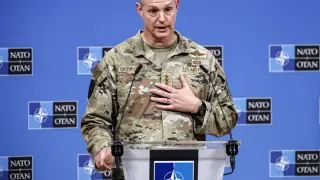
NATO's Supreme Allied Commander Europe, General Alexus Grynkewich, said the alliance is enhancing intelligence-sharing among members following a series of suspected Russian sabotage incidents. He urged calm, asserting that NATO possesses the necessary capabilities to address the threat. The move comes after Denmark's defense intelligence service predicted Moscow would intensify hybrid attacks, including sabotage and cyber operations.
The Danish defense intelligence service's assessment, cited in the article, anticipates an escalation in Russian hybrid operations targeting Ukraine's Western partners, encompassing sabotage, cyberattacks, and the possibility of a limited ground incursion. This warning aligns with recent incidents, including Russian drone incursions into NATO airspace and a reported violation of Polish airspace, which have contributed to a near doubling of hybrid attacks in recent months.
General Grynkewich's public reassurance comes amid heightened political tensions, with Polish leaders citing intelligence of potential Russian strikes against countries supporting Kyiv. The article also notes that President Zelensky has warned of possible Russian actions against another EU country, while Polish Foreign Minister Sikorski has directly confronted his Russian counterpart at the UN Security Council over these escalating tactics.
This development could heighten public anxiety across European NATO member states, particularly in Baltic nations and Poland, where citizens may feel increasingly exposed to hybrid threats. The emphasis on intelligence-sharing may reassure some, but repeated warnings from national leaders could also normalize a climate of insecurity. Businesses and critical infrastructure operators may face pressure to harden defenses against potential sabotage, while the broader societal effect could include increased polarization over how firmly to respond to Russia, potentially straining public consensus on NATO's strategic posture.