Green Hydrogen and Synthetic Aviation Fuel Projects Gain Momentum
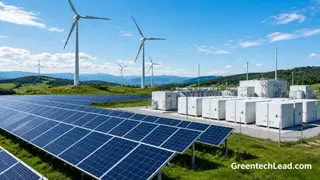
Australian electrolyser developer Hysata partnered with engineering firm ICE to design large-scale green hydrogen systems, aiming to cut electricity use per kilogram of hydrogen. Dongde Energy began implementing a $1.6 billion green hydrogen-to-sustainable aviation fuel project in Xinjiang, China, combining electrolysis with captured carbon dioxide. Uniper signed an offtake agreement with Arcadia eFuels for 40,000 tonnes per year of synthetic sustainable aviation fuel.
The Hysata-ICE collaboration targets system-level engineering, addressing how electrolyser stacks integrate with power electronics, water treatment, and compression. Dongde Energy's Xinjiang facility links renewable electricity, electrolysis, and captured carbon dioxide into a single fuel-production chain. Both projects reflect efforts to move hydrogen technologies beyond pilot scale toward industrial deployment.
Uniper's 40,000-tonne annual commitment gives Arcadia eFuels a defined customer base, which is essential for financing expensive synthesis equipment. Meanwhile, Qair's Scottish solar-plus-storage approval adds photovoltaic capacity to a grid historically dominated by wind, with batteries allowing generation to shift toward peak demand periods.
The convergence of green hydrogen, synthetic aviation fuel, and solar storage signals a shift in how hard-to-decarbonise sectors may be addressed. Aviation, which cannot easily electrify, could benefit from synthetic fuels that work with existing aircraft. However, these technologies depend on sustained investment and committed buyers. Communities near large projects may see economic activity, while energy consumers could eventually face lower carbon-intensive fuel costs. The pace of impact will hinge on whether engineering partnerships and offtake agreements translate into operational facilities.