California Home Batteries Deliver Record 580 MW During Heat Event
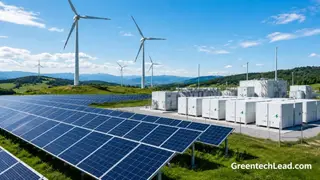
Sunrun and Tesla dispatched a combined 580 MW of peak electricity from residential batteries in California on September 9 during an extreme-heat event, demonstrating the collective power of distributed storage. Qair's Polish unit signed a 15-year power purchase agreement with telecom operator Play for about 525 GWh of renewable electricity. German developer Hep moved a 35.7 MWp solar-plus-storage project into construction.
The September 9 dispatch involved thousands of household batteries operating as one coordinated fleet, briefly matching the output of a conventional power station. This approach directly addresses California's challenge of abundant midday solar generation followed by sharp evening demand spikes once photovoltaic output fades. The event was a live operational exercise rather than a demonstration project.
The Qair-Play contract spans 15 years, giving both parties long-term price certainty beyond typical wholesale market exposure. Corporate power agreements are emerging as a primary funding pathway for European renewable development. Hep's German hybrid facility pairs generation with storage to manage midday oversupply, while Statkraft's completed UK hydrogen sale transfers future investment obligations to new owners.
Distributed battery fleets operating as virtual power plants could reduce reliance on fossil-fuel peaker plants during heat waves, potentially lowering electricity costs and improving grid reliability for California residents. Long-term corporate renewable contracts may help stabilize energy prices for businesses while accelerating coal displacement in Poland. The broader impact could be significant if these models scale, though outcomes depend on regulatory support and continued technology cost declines.