Ericsson and Finnish agency trial 5G sensing to track unauthorised drones
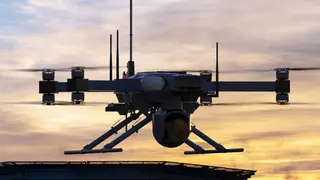
Ericsson and Erillisverkot have tested Integrated Sensing and Communication (ISAC) technology in Helsinki, using existing 5G network sites to detect, locate, and track drones in real time. The demonstration collected sensing data from multiple sites simultaneously, providing a broader situational picture for ports, borders, and critical infrastructure. The technology aims to address security concerns posed by small, low-flying drones that may not emit wireless signals.
The Helsinki trial involved multiple 5G base stations collecting sensing data at the same time, enabling authorities to assemble a composite view of airspace activity across a wider area. This approach differs from conventional detection methods that depend on drones transmitting signals, since ISAC can identify objects that remain silent or unconnected to any network.
The demonstration builds on growing momentum around network-based sensing as a security tool. Related industry moves include Ericsson's private 5G deployment at a US airport and BT's work introducing drone technology to British Transport Police, suggesting telecom infrastructure is increasingly viewed as a multi-purpose asset extending beyond standard connectivity into surveillance and public safety applications.
This technology could give authorities a new layer of situational awareness around ports, borders, and critical infrastructure, potentially shortening response times to drone incursions. However, it may also raise privacy and civil liberties questions, since sensing capabilities that track drones could conceivably monitor other airspace activity. Public agencies will likely need to weigh security benefits against concerns about surveillance scope as such systems evolve and become more widely adopted.