Yellowstone super-eruption would be catastrophic but not extinction-level
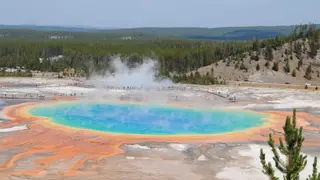
A hypothetical Yellowstone supervolcano eruption would devastate much of North America with ashfall and pyroclastic flows, and cool the global climate for years. While it would cause enormous loss of life and disrupt civilization, humanity would likely survive and ecosystems would gradually recover. The analysis comes from academics Ilan Kelman and Matthew Blackett.
The Yellowstone volcanic system has produced three major caldera-forming eruptions in the past 2.1 million years, with the most recent occurring roughly 631,000 years ago. That event ejected ash across much of North America and left a massive depression now visible as the park's central caldera. The region remains seismically active, with thousands of small earthquakes recorded annually.
The analysis presented here is a hypothetical scenario based on disaster research and historical responses to large-scale events. The authors emphasize that while the immediate regional destruction would be severe, the global climate effects from volcanic aerosols would be the most far-reaching consequence, potentially altering weather patterns and agricultural productivity worldwide for years.
A Yellowstone super-eruption could disrupt global supply chains, food production, and air travel for extended periods, affecting billions beyond North America. The climate cooling from volcanic aerosols may cause crop failures in multiple continents simultaneously, straining international aid systems. While humanity would likely survive, the economic and social recovery could take decades, particularly for communities in the immediate ashfall zone who may face permanent displacement.