US-China Summit Focuses on Extending Trade Truce
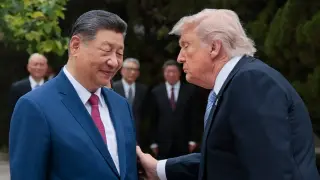
The upcoming Trump-Xi summit is expected to center on extending the US-China trade truce set to expire on Nov. 10. Beijing seeks a long-term extension while Washington prefers a shorter arrangement to maintain negotiating leverage. The talks also cover rare earths, semiconductors, and artificial intelligence amid broader geopolitical tensions.
The trade truce's expiration date of Nov. 10 creates a firm deadline for negotiators. US tariff strategy has produced measurable results, with the bilateral trade deficit dropping 32% between 2024 and 2025. However, this leverage has limits, as Chinese manufacturers have pivoted toward alternative markets in ASEAN, Europe, India, and Latin America rather than capitulating on trade terms.
Beijing's preference for an extension through 2029 reflects a desire for stability across Trump's full term, while Washington's push for a shorter six-to-twelve-month arrangement preserves flexibility. The summit agenda extends beyond tariffs to include rare earths, semiconductor controls, and AI policy, with Taiwan and ongoing conflicts in Ukraine and Iran framing the broader strategic context.
The outcome of these negotiations could affect global supply chains, manufacturing costs, and consumer prices across multiple economies. Businesses operating between the US and China may face continued uncertainty if only a short extension is reached, potentially delaying investment decisions. A prolonged truce could stabilize markets, while a breakdown might accelerate trade diversion and reshape regional economic alliances. The decision may also influence how other nations navigate their own relationships with both superpowers.