Subduction zone off Vancouver Island found breaking into pieces
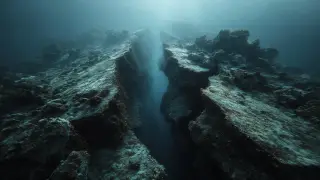
Scientists have observed the Cascadia subduction zone actively tearing apart, a process that may explain how these tectonic systems end. The discovery, reported in Science Advances, shows the Juan de Fuca plate breaking beneath Vancouver Island. This could help understand ancient plate fragments and future earthquake risks.
The research team used seismic reflection imaging during the NSF-funded CASIE21 expedition, towing a 15-kilometer streamer of listening instruments behind a ship to map structures deep beneath the seafloor. This technique, similar to medical ultrasound, revealed large faults cutting through the sinking Juan de Fuca plate, including a dramatic 75-kilometer tear.
Lead author Brandon Shuck compares the process to a train slowly derailing rather than a single catastrophic wreck. The plate is ripping apart piece by piece, creating smaller microplates and new boundaries. This observation may explain how ancient plate fragments ended up scattered in unexpected locations, and could reshape understanding of how mature subduction systems ultimately terminate.
This discovery could influence how scientists assess seismic hazards in the Pacific Northwest, where communities prepare for potential megathrust earthquakes. If the Cascadia zone is actively fragmenting, future rupture patterns may differ from current models, potentially affecting building codes, tsunami preparedness, and infrastructure planning along coastal regions. The findings may also help geologists reinterpret volcanic activity and plate history worldwide, though direct societal impacts remain uncertain and require further study.