Xi’s US state visit yields trade steps, Taiwan talks and stability focus
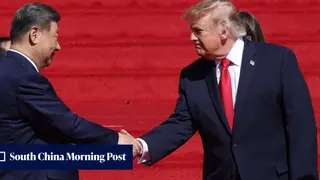
Chinese President Xi Jinping wrapped up a 43-hour state visit to the United States, his first in over a decade, with multiple meetings and a state dinner. The two sides extended a trade agreement by two months and finalized a Board of Trade mechanism covering tariff reductions on selected goods. Discussions also covered Taiwan and what was described as strategic stability.
Xi’s 43-hour state visit was his first US state trip in over ten years. The schedule included an airport ceremony, White House reception, bilateral talks, a state dinner with business figures, a tea meeting and a National Archives visit. Peng Liyuan accompanied him.
Trade was the main deliverable. Treasury Secretary Scott Bessent said the Busan agreement would run two extra months, from 10 November to 10 January. The Board of Trade was completed, with tariff cuts planned for non-sensitive sectors and products capped at US$30 billion per side. Jamieson Greer said more “managed trade” details would come Monday.
The extended trade agreement and planned tariff cuts could affect businesses, workers and consumers in both countries, potentially changing costs and market access for selected goods. Companies in non-sensitive sectors may see more predictable trade conditions. Talks on Taiwan and strategic stability may influence regional security perceptions, possibly affecting investor confidence and public debate across Asia. How these effects unfold may depend on implementation details and follow-up announcements.