Supreme Court Allows Trump Administration to Use Immigration Database for Voter Checks
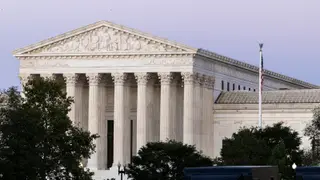
The Supreme Court sided with the Justice Department and allowed the Trump administration to revive the SAVE immigration database for citizenship checks on state voter rolls. The system now combines personal data from multiple federal sources, and a Texas investigation previously found that it falsely flagged eligible voters as noncitizens. The ruling also permits the administration to continue building indexes of adult citizens in each state.
The high court's Friday order favored the Justice Department and removed a judicial obstacle that had kept state officials from running citizenship checks using private data, such as Social Security numbers. It reinstates the redesigned SAVE program, which U.S. District Judge Sparkle Sooknanan had halted in June over privacy violations.
SAVE began under a 1986 immigration statute as a way for agencies to confirm whether immigrants and naturalized citizens qualified for public benefits; it was not originally a database but a query tool. In 2025, the administration expanded it to combine criminal, immigration, address, Social Security, driver's license, and passport records. A Texas probe found at least 87 eligible voters wrongly flagged.
The ruling may affect voters whose records contain errors, especially naturalized citizens or people with mismatched data, who could face extra verification burdens. State election officials may face pressure to use SAVE, while privacy advocates could challenge its expanded data matching. If false flags persist, eligible voters might be removed or forced to prove citizenship, potentially eroding confidence in election administration.