State Department Floats Passport Data for Voter Eligibility Checks
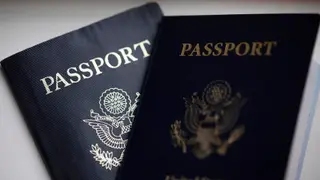
The State Department proposed giving federal, state, local, tribal, and nonprofit entities access to passport records to check voter eligibility. The rule would add voter eligibility to the permitted uses for a records system that holds sensitive personal documents, though it is unlikely to take effect before the Nov. 3 midterms. The proposal follows Trump's broader push to assert federal authority over state voter rolls and remove noncitizens, even though voter fraud is extremely rare.
The proposal, first reported by Bloomberg, would let federal, state, tribal, local agencies and unnamed nonprofits use passport files to check whether someone may vote. The system stores passport applications, birth certificates, driver's license copies, and medical and financial information. It is unlikely to take effect before the Nov. 3 midterms.
Current Privacy Act sharing is narrower, covering purposes such as policing, confirming employment, and verifying identities; checking voter eligibility is not listed. The Justice Department told a court about the plan in litigation over Trump's March executive order on mail-in voting. The State Department notified congressional committees, and the proposal will face a 30-day public feedback window.
If finalized, the change could affect voters, election administrators, and nonprofit groups by expanding access to sensitive passport records for citizenship checks. It may add verification options for officials, but could also raise privacy concerns for people whose documents are stored in the system. Because implementation likely follows the midterms, any practical effects may emerge later, depending on litigation and public comment.