Heat-loving amoeba sets record for complex life and aids astrobiology search
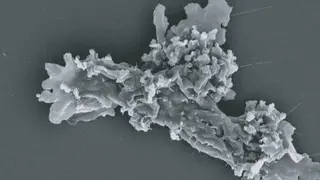
Researchers supported by NASA found Incendiamoeba cascadensis in geothermal springs at Lassen Volcanic National Park. The single-celled eukaryote can reproduce at 63°C and move at up to 64°C, exceeding previous heat limits for complex life. The discovery may broaden ideas about where life could exist beyond Earth.
Researchers backed by NASA identified Incendiamoeba cascadensis in California’s Lassen Volcanic National Park geothermal springs. This nucleated microbe can reproduce at 63°C and seek food at up to 64°C, surpassing the prior 60°C limit seen in certain fungi and red algae. The findings appeared in Cell on September 22.
Its genome was sequenced, and lead author Beryl Rappaport noted that some proteins carry a strongly positive surface charge that may support stability in heat. Related DNA sequences have also been detected in Yellowstone and New Zealand, hinting similar organisms might exist elsewhere.
This discovery could affect astrobiologists and planetary scientists by widening the range of temperatures considered potentially habitable, which may influence future mission targets. It may also draw public and educational interest to extremophiles and geothermal environments. Biotechnology researchers might explore heat-stable proteins, though any practical applications would require much more study. Overall, the finding may modestly shift how society imagines life’s limits without changing daily life for most people.