macOS Golden Gate Drops Intel Support and Other Legacy Features
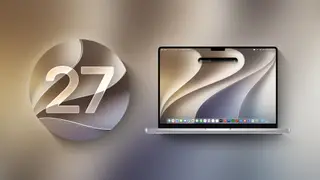
Apple's macOS Golden Gate release drops several legacy capabilities, most notably support for Intel-based Macs. It is the first macOS version limited to Apple silicon, and Boot Camp Assistant has been removed as a result. Intel Macs are capped at macOS Tahoe, though Apple plans security updates for them until fall 2028.
Golden Gate marks Apple’s shift to an Apple silicon-only macOS. Intel-based Macs cannot install it and remain on macOS Tahoe, though security patches are promised until fall 2028. Boot Camp Assistant disappears because native x86 Windows dual-booting is not viable on Apple silicon.
Rosetta 2 is removed during upgrade but can be reinstalled when needed; this is the final release with full translation support, and warnings now flag dependent apps. AFP’s client is also gone, following its deprecation in macOS Sequoia 15.5.
Intel Mac owners may face a gradual hardware refresh cycle, since their devices cannot run Golden Gate and security coverage is slated to end in 2028. Organizations relying on Boot Camp, AFP, or translated Intel apps could need to adjust workflows, possibly through virtualization, newer Apple silicon machines, or native software updates. Developers may feel pressure to modernize. The transition could create short-term compatibility costs while encouraging longer-term platform consistency.