Supreme Court lets expanded SAVE database proceed before November election
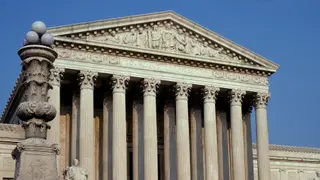
The U.S. Supreme Court on Sept. 25, 2026, paused a lower-court decision that had prevented the Department of Homeland Security from giving states access to a broader version of the SAVE database. The interim order allows DHS to proceed before the November 2026 election. The database supplies immigration and citizenship status information used in voter registration and voter-list maintenance.
The Supreme Court’s Sept. 25, 2026, interim order lifts a lower-court block, letting Homeland Security give states access to a wider SAVE system before the November midterms. The system, run by USCIS, reports immigration and citizenship status to government agencies.
A 2025 Trump executive order directed free access for state and local election officials. After USCIS added Social Security records and bulk-search capability, the League of Women Voters and others sued. A district judge blocked the expansion on June 22, 2026; the D.C. Circuit refused a stay, prompting the Supreme Court request. Twenty-eight states have registered to use SAVE.
The order may affect voters, election administrators, and state agencies. It could let officials check citizenship status more broadly before November, potentially speeding list maintenance but also raising concerns about errors or eligible voters facing added verification. States with SAVE statutes and those newly accessing expanded data may see different implementation. Legal challenges may continue, so effects could vary by state and timing.