Pompeii’s known eruption date sharpens argon-argon volcano dating
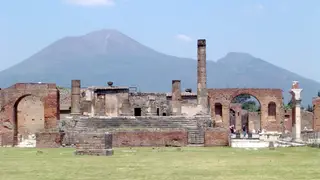
Researchers have used the historically documented date of Mount Vesuvius’s eruption at Pompeii to refine argon-argon dating for volcanic events. The approach improves the precision of dating by anchoring the method to a known eruption. This could help scientists better date other volcanic deposits and archaeological sites.
Dating volcanic eruptions precisely matters for archaeology and volcanology because it can help link past events to physical evidence. This story describes using Pompeii’s historically documented Mount Vesuvius eruption as an anchor for argon-argon dating, a method applied to volcanic materials. If the refinement holds, it could make dates for other eruptions and archaeological deposits more dependable. The provided material does not include sample details, error estimates, or independent validation.
If the method proves more precise, archaeologists, volcanologists, and heritage managers could benefit by placing volcanic deposits and archaeological finds in tighter timelines. Museums and local communities may gain clearer narratives about past eruptions and settlement. However, the impact depends on replication and on how widely the technique can be applied. The summary does not indicate whether the refinement changes existing dates or only improves future measurements.