Autonomous Vehicle Firms Pursue Different Scaling Strategies
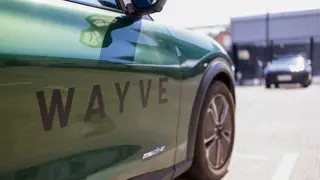
Autonomous vehicle companies are moving from testing toward commercial deployment and weighing how to scale. Wayve formed a commercial partnership with Mercedes-Benz for a Level 2 automated driving system, while Waymo has concentrated about 80% of its roughly 4,000 robotaxis in California and Texas. Waymo is also targeting new rider groups, including teenagers.
Autonomous driving is still not mainstream, but firms are moving from tests to commercial products. Wayve will provide Mercedes-Benz a Level 2 system for at least one model within two years; it assists some driving tasks while the driver remains involved. Wayve also has Nissan and Stellantis deals and a planned Tokyo robotaxi service with Nissan and Uber.
Waymo’s roughly 4,000 robotaxis are concentrated: about 80% are in California and Texas, where Texas growth topped 49% in three weeks. It is also targeting teenagers. Aurora, focused on Texas autonomous trucks, aims for over 200 this year and 30,000-plus by 2030. Zoox paused Atlanta testing after possible gas exposure.
The shift toward commercial AV deployment may affect riders, drivers, and workers unevenly. Teenagers and nondrivers could gain new mobility options where services operate, while regions outside concentrated fleets may see slower access. Safety drivers and trucking employees could face changing roles or health risks, as Zoox’s pause suggests. Partnerships may accelerate adoption, but