Australian Stick Insect Group Expands From Two Species to Five
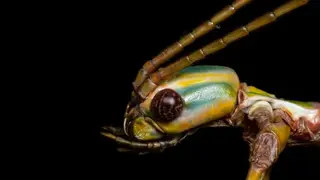
A University of Sydney team revised the taxonomy of Australian Anchiale stick insects, recognizing five species where two had been accepted. The work described two new species and restored one long-overlooked species, drawing on citizen-science records, DNA, museum specimens, surveys, and captive populations. The findings, published in Austral Entomology, may aid management of stick insect outbreaks affecting forestry and agriculture.
The University of Sydney-led revision focused on Anchiale, a genus of large coastal stick insects. Researchers combined DNA, museum specimens, field surveys, captive populations, and public observations from iNaturalist and the Atlas of Living Australia. Their work raises the recognized Australian total from two species to five, including one restored after decades unrecognized.
Two species are newly named: Anchiale robusta, long misidentified, and Anchiale mabiensis, found in Queensland’s critically endangered Mabi rainforest. The latter’s eggs have a lid-like structure not previously seen in stick insects or close relatives. A possible additional Cape York species awaits more specimens.
Better species identification could help foresters, farmers, and land managers respond more precisely if stick insect outbreaks damage trees. Conservation planning may also benefit, because one newly recognized insect lives in a threatened rainforest, and