ECG smartwatches and optical heart rate monitors: what sets them apart
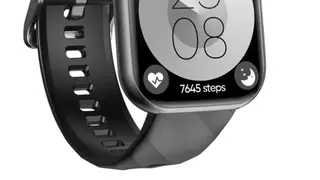
An ECG smartwatch captures the heart’s electrical signals to create an electrocardiogram, whereas an optical heart rate monitor uses light sensors to estimate pulse from changes in blood volume. Some wearables include both methods, but ECG usually requires an active recording while optical monitoring is often continuous. The article notes that neither type should be considered a replacement for medical monitoring equipment.
An ECG-capable watch detects the heart's electrical impulses through electrodes. Often the wearer touches a second contact while the back touches the wrist, completing a circuit for a brief recording. Because movement disrupts this signal, staying still matters.
Optical monitors instead shine light into skin and track blood-volume shifts to estimate beats per minute. They are common for ongoing tracking, while ECG is usually an on-demand measurement. Some watches combine both, yet neither substitutes for clinical monitoring equipment.
People buying wearables for fitness or health may gain more insight into pulse and rhythm, but could also misunderstand what each reading means. Some may delay care if they treat consumer ECG or optical data as equivalent to medical monitoring. Clinicians might receive more wearable-generated information, which may support discussions or add confusion. The social effect likely depends on clear device labeling and realistic user expectations.