How to Pick an Android Tablet in 2026 by Matching Specs to Daily Use
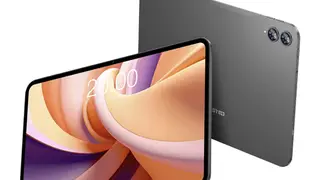
This guide argues that the best Android tablet is determined less by top-tier specifications and more by how the device will actually be used. It breaks down priorities for streaming, studying, gaming, and productivity, including display size, RAM, battery life, storage, refresh rate, and connectivity. It also points out where buyers can save money and which features deserve closer attention before purchase.
Choosing an Android tablet can be confusing because similar product listings may hide meaningful differences in screen size, chip, memory, storage, refresh rate, battery, and cellular support. The better approach is to identify the primary task first, since streaming, study, gaming, drawing, and work each place different demands on the hardware.
For instance, a 10- to 12-inch display often balances viewing area and portability, while 8- to 9-inch models favor travel and one-handed reading. Gaming places greater emphasis on graphics and processor power, heat management, touch responsiveness, and steady performance over time; productivity benefits from a larger display, keyboard or mouse input, USB-C, and extended battery life.
This guide may help shoppers avoid overspending on specs they won't use, potentially shifting demand toward midrange tablets. Students, casual viewers, mobile gamers, artists, and remote workers could benefit from clearer trade-offs. Manufacturers may respond by emphasizing practical features like battery life, stylus support, and keyboard compatibility. However, because recommendations depend on individual habits, the broader effect may be modest: better-informed purchases rather than a major market change.