Large Android Tablets for Web Browsing and Media in 2026
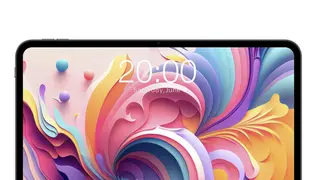
A bigger Android tablet can make websites, movies, split-screen apps, and light work more comfortable, but screen size alone does not guarantee a good experience. The article says display quality, speakers, refresh rate, battery capacity, processor performance, storage, and connectivity all matter for entertainment use. It contrasts premium options such as the Samsung Galaxy Tab S11 Ultra with more affordable large-screen models like the Teclast T65.
Large Android slates occupy space between phones and laptops, offering room for streaming, reading, video calls, cloud gaming, recipes, maps, and side-by-side apps. Their main drawback is reduced portability, especially 13- or 14-inch models that are harder to hold one-handed.
Two 2026 examples show different priorities. Samsung’s Galaxy Tab S11 Ultra pairs a 14.6-inch Dynamic AMOLED 2X panel at 2960 × 1848 with S Pen support. Teclast’s T65 uses a 13.4-inch IPS screen at 1920 × 1200, up to 120Hz, Unisoc T7280, expandable storage, dual-band Wi-Fi, Bluetooth 5.0, and 4G.
Shoppers seeking entertainment and light work may benefit from larger Android tablets, as bigger screens could make browsing, streaming, and split-screen use more comfortable. Yet portability trade-offs may push frequent travelers toward smaller devices, while price differences could shape access to premium displays and productivity tools. The shift may also influence how people divide time between phones, laptops, and tablets, though screen size alone may not determine satisfaction.