Buying Guide: Foldable Drones With Obstacle Avoidance
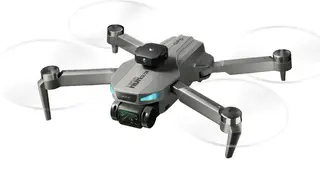
Foldable RC drones are popular because their arms fold for easier carrying and storage, while obstacle avoidance can assist during flight. The article explains that avoidance systems vary by sensor coverage and are not a guarantee against collisions, especially around thin branches, wires, reflective surfaces, or low light. It advises buyers to compare how features work together rather than relying on marketing labels.
Foldable quadcopters reduce packed size by folding their arms or rotor supports, making transport and storage simpler for travelers, beginners, families, and FPV users. Compact designs may sacrifice camera sensor size, battery life, or advanced positioning compared with larger aircraft.
Obstacle avoidance can use optical, infrared, or visual positioning sensors, with coverage varying by direction. Front sensors help forward motion; side and rear sensors assist turns, sideways travel, and backward flight. Such systems aid pilots but cannot reliably detect every hazard, especially slender branches, cables, reflective materials, or poor lighting.
Consumers considering foldable drones, especially beginners, travelers, and casual pilots, may make more informed choices if they weigh sensor coverage, portability, and camera trade-offs together. Clearer expectations could reduce misplaced reliance on obstacle-avoidance labels and encourage continued visual awareness. Manufacturers and retailers may face pressure to clarify limitations. The broader effect could be safer, more realistic hobby flying, though outcomes depend on user behavior, environment, and how well buyers interpret specifications.