Kosovo War Crimes Verdict Debate Overlooks Victims, Article Argues
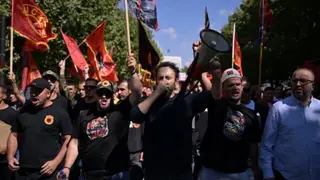
The article examines how the first-instance verdict against four former Kosovo Liberation Army leaders at the Kosovo Specialist Chambers was received in Belgrade and Pristina. It argues that the heated political reactions in both places avoided the central issue of who the victims were and what reparations they should receive. The author notes that comparable nationalist responses followed verdicts from the International Criminal Tribunal for the former Yugoslavia.
The article examines the initial ruling by the Kosovo Specialist Chambers that found Hashim Thaci, Kadri Veseli, Rexhep Selimi and Jakup Krasniqi guilty of war crimes. It contrasts how Belgrade and Pristina read the outcome through competing national narratives.
In Belgrade, the sentences were seen as too mild and insufficiently attentive to crimes against Serbs. In Pristina, politicians rejected the verdict as unjust, and thousands demonstrated in support of the former KLA leaders. The author observes comparable nationalist reactions after ICTY judgments.
The verdict and its polarized reception could deepen distrust between Serbian and Kosovo Albanian communities, especially among victims and their families who may feel their suffering is again sidelined. Political leaders and media in both places may use the ruling to reinforce existing narratives, potentially complicating reconciliation and reparations debates. International courts may face further credibility questions in the region. Still, the attention could also create space for renewed discussion about victim recognition and compensation, if public pressure shifts from nationalist framing toward survivors’ needs.