Apple Explores Four Redesign Paths for a Lighter, Cheaper Vision Pro
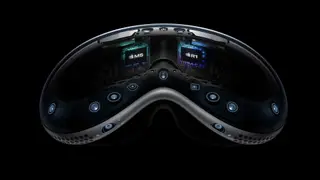
Apple is reportedly developing a redesigned Vision Pro and is weighing four different design concepts to make it lighter and less expensive. Bloomberg's Mark Gurman reports that a new mixed-reality device may not launch until late 2028 or early 2029. One option under consideration would move processing, radios, and power to an external module to reduce weight on the wearer's head.
Apple's reported effort, internally called N224, is not a minor refresh. Engineers are comparing four architectures: moving compute, wireless radios, and power to a separate body-worn unit; keeping everything in a slimmer headset with lightweight materials and smaller optics; using detachable modules for extra compute or battery; and cutting sensors, glass, and eye-tracking hardware to lower weight and cost.
The external-module approach mirrors Meta's planned VR glasses, due next spring. That product reportedly relies on a waistband- or pocket-mounted unit holding the main chip and battery. Gurman, after previewing it, said this unit is about as heavy and large as the battery accessory for today's Vision Pro, but has a rough, grippy finish.
A lighter, cheaper Vision Pro could widen spatial computing beyond early adopters, potentially reaching students, remote workers, developers, and casual users. Less head-borne weight may improve comfort for people who found current headsets fatiguing. If external modules become common, they may reshape accessory and battery design across the category. Adoption could still hinge on privacy expectations, battery life, content availability, and whether lower cost translates into genuinely useful everyday experiences.