Microbiome Testing Startup Secures $33M Series B to Expand At-Home Gut Analysis Services
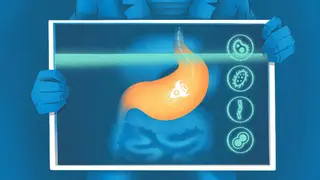
Austin-based Tiny Health has closed a $33 million Series B funding round led by B Capital to accelerate growth in its at-home microbiome testing business. The company, founded by Cheryl Sew Hoy after observing differences in her children's health linked to early microbial exposure, has more than doubled revenue annually and expanded into B2B offerings through healthcare providers. The financing brings Tiny Health's total capital to $46 million as demand for its infant and adult gut testing services continues to climb.
Tiny Health's trajectory reflects founder Cheryl Sew Hoy's personal health observations that evolved into a scalable business model. After noticing her daughter's health challenges correlated with delivery method differences, she invested personal capital and conducted foundational research before officially launching. The company's dual revenue streams—direct-to-consumer testing and B2B partnerships with healthcare providers—have enabled aggressive expansion, with the B2B segment quadrupling annually and adult testing now surpassing infant testing as the primary market segment.
The startup's technical approach distinguishes it within the microbiome testing space. Rather than screening for predetermined microbial species, Tiny Health employs shotgun metagenomic sequencing, which maps genetic material from all organisms present in samples. This comprehensive methodology, guided by chief science officer Kimberley Sukhum, theoretically provides richer diagnostic information than narrower screening approaches.
Microbiome testing startups could reshape how consumers and clinicians approach preventive health, particularly if scientific evidence strengthens correlations between gut bacteria composition and conditions like allergies, eczema, and digestive disorders. Broader adoption may democratize access to microbiome data previously available mainly through research settings. However, the field's long-term impact depends on whether testing insights translate into actionable medical interventions and whether regulatory oversight adequately addresses claims validity and clinical utility standards.