NASA Sets December Target for Boeing Starliner Uncrewed Test as SpaceX Dragon Retirement Looms
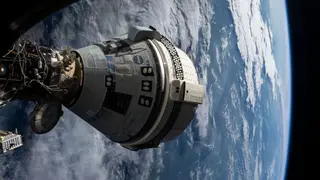
NASA announced that Boeing's troubled Starliner spacecraft will attempt an uncrewed test flight no earlier than December 2026, with a crewed mission to the International Space Station potentially occurring in mid-2028 if successful. The timeline reflects NASA's urgent need for an alternative to SpaceX's Crew Dragon, which the company intends to retire by 2030 as it focuses on developing the next-generation Starship. Starliner has faced multiple setbacks since its 2024 crewed mission, including thruster failures and helium leaks that required months of repairs.
Boeing's Starliner program has encountered persistent technical challenges since its inaugural crewed flight in mid-2024, when multiple thruster malfunctions and helium system failures forced NASA to use a SpaceX alternative for crew return. The spacecraft has remained grounded while engineers addressed these fundamental propulsion and life-support issues over the past year and a half.
NASA faces a critical capability gap as SpaceX prepares to discontinue Crew Dragon production within the decade. The agency has committed substantial public investment to Starliner's development and views establishing a second operational crew transport system as essential for maintaining continuous astronaut access to the International Space Station beyond 2030.
The Starliner timeline affects NASA's operational flexibility, spaceflight industry competition, and taxpayer resource allocation. A successful December uncrewed test could restore confidence in commercial crew transport redundancy; however, further delays risk leaving NASA dependent on a single provider during a transitional period. Success may also influence how federal agencies evaluate contractor reliability and risk management in future aerospace programs.