NASA Plans Uncrewed Test Flight to Rehabilitate Boeing's Starliner After 2024 Mission Failure
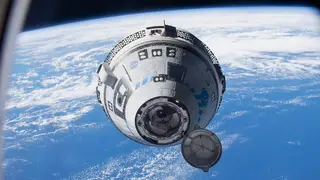
NASA announced that Boeing's Starliner spacecraft will conduct an uncrewed test flight to the International Space Station as early as December 2026, following significant design and engineering improvements made since the craft's failed 2024 crewed mission. The original mission stranded astronauts Butch Wilmore and Suni Williams on the ISS for 286 days due to helium leaks and thruster malfunctions that raised safety concerns. NASA's February report identified the root causes as design flaws, inadequate oversight of Boeing, poor data transparency, and problematic decision-making, all of which are being addressed before the next flight attempt.
Boeing's Starliner program suffered a significant setback during its 2024 crewed test mission when multiple technical failures—including helium leaks and thruster malfunctions—forced NASA to strand two astronauts aboard the International Space Station for over nine months while they awaited rescue via SpaceX. A subsequent NASA investigation determined that organizational failures, including inadequate contractor oversight and poor communication protocols, contributed as much to the incident as the engineering defects themselves.
The upcoming uncrewed test represents a comprehensive remediation effort involving design modifications to critical systems like seal assemblies and thrusters, as well as a transition to a different launch vehicle. Success in this demonstration mission could pave the way for a piloted flight in 2028, which would restore Boeing's role as a redundant crew transportation provider alongside SpaceX's established Crew Dragon capability.
The Starliner's recovery effort may significantly impact NASA's long-term operational flexibility and the broader commercial spaceflight industry. Restoring a second crew vehicle supplier could reduce dependency on SpaceX and provide insurance against potential service interruptions, thereby supporting sustained human spaceflight operations at the ISS. However, continued delays or technical issues could further entrench SpaceX's monopoly on U.S. crewed missions, potentially affecting competition, innovation timelines, and the cost structure of space transportation services for years to come.