OpenAI releases personal AI agents capable of autonomous task completion across applications
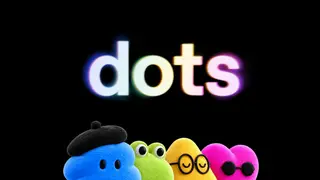
OpenAI unveiled Dots, autonomous AI agents that can work continuously on assigned tasks across a user's connected applications and accounts. These agents can interact with over 4,000 apps through integrations with Slack, Microsoft Teams, and other platforms, and can control browsers and computers on a user's behalf with appropriate permissions. Pro and Enterprise users will initially receive one customizable Dot, with the company planning to expand functionality to manage multiple agents in the future.
OpenAI introduced Dots at its DevDay conference, positioning them as always-on assistants that work continuously in the background across thousands of connected applications. Users can monitor Dots' activities in real-time through a dedicated interface and maintain control through customizable permission settings and approval requirements. The rollout begins with select subscribers receiving one complimentary agent, with plans to eventually support multiple simultaneous agents per user.
OpenAI emphasizes security measures designed to address prior concerns, including password protection protocols and restricted read-only access during autonomous operations. Users can manage agent capabilities through existing ChatGPT controls and establish custom rules governing when approval is needed before actions execute.
Dots may reshape workplace automation by delegating routine administrative and data-management tasks to AI systems, potentially increasing productivity for knowledge workers while raising questions about employment displacement and oversight. The integration with thousands of applications could streamline workflows across industries, though widespread adoption may depend on users' comfort with continuous AI access to personal applications and accounts. Security vulnerabilities and unintended agent actions could affect individuals and organizations relying on these systems, making governance frameworks and accountability mechanisms increasingly important considerations.