Study Reveals Infections Account for 12 Percent of Global Cancer Cases, Many Preventable
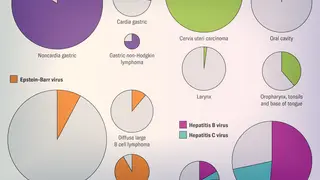
New research published in the Lancet Oncology estimates that infections were responsible for approximately 2.3 million cancer diagnoses worldwide in 2024, with human papillomavirus and Helicobacter pylori bacteria causing more than 1.5 million cases combined. Additional infections linked to cancer include hepatitis B, which accounts for roughly 360,000 cases, and Epstein-Barr virus, responsible for about 260,000 cases, with updated findings revealing new connections to stomach cancers and certain lymphomas. Since many infection-related cancers are preventable through vaccination and early detection, researchers emphasize these represent actionable risk factors that could substantially reduce cancer burden globally.
The latest analysis represents a significant update to previous cancer-infection research from 2018, incorporating newly documented disease links that have emerged over the past several years. Researchers have now established connections between Epstein-Barr virus and additional cancer types beyond its previously known associations, while simultaneously confirming the established roles of HPV and H. pylori as leading infection-related cancer drivers. The geographic disparities identified in the study highlight how access to preventive healthcare infrastructure—including screening programs and vaccination availability—directly influences cancer burden across different regions.
These findings could influence public health priorities by identifying infection-prevention strategies as cost-effective cancer reduction tools. Communities with limited screening and vaccination access may see potential benefits from expanded immunization programs and diagnostic testing initiatives. The work could inform healthcare resource allocation decisions and may strengthen arguments for broader vaccine coverage, particularly in regions experiencing higher infection-linked cancer rates. However, implementation challenges around healthcare infrastructure, vaccine availability, and public acceptance remain significant variables in translating research into measurable population health improvements.