Stem Cell Approach Offers Hope for Restoring Fertility in Young Cancer Survivors
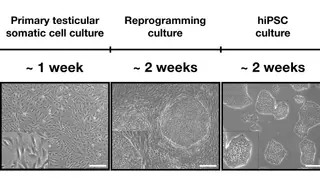
Researchers are exploring how patient-derived stem cells could help restore fertility options for boys whose cancer treatments damaged their developing testes. The challenge involves cases where testicular biopsies were collected after therapy began, leaving tissue depleted of germ cells needed for natural sperm production. Scientists are investigating whether supporting somatic cells from treated biopsies could be used to rebuild a patient's reproductive system from scratch.
Childhood cancer treatments have become increasingly successful at saving lives, yet many young survivors face lasting reproductive consequences. Boys undergoing cancer therapy before puberty cannot preserve sperm like adult men can, making testicular tissue banking an important experimental option. However, when medical circumstances require biopsies after treatment has already begun, the collected tissue often lacks the germ cells essential for natural sperm production.
This research addresses that specific gap by exploring an alternative pathway. Rather than relying on preserved germ cells, scientists extracted the supporting cells that remained in treated tissues and converted them into pluripotent stem cells—cells capable of developing into multiple cell types. These reprogrammed cells were then directed to become germ cell precursors, potentially offering a method to rebuild reproductive capacity from remaining biological material.
This approach could significantly expand fertility restoration options for a subset of childhood cancer survivors whose tissue was collected after treatment began. If further developed, the technique may allow young patients with germ cell-depleted biopsies to still access biological parenthood options in adulthood. The research addresses a meaningful gap in survivorship care, though clinical application would require extensive validation and regulatory approval before becoming available to patients.