Category 3 Hurricane Polo threatens major vegetable-producing regions in Mexico
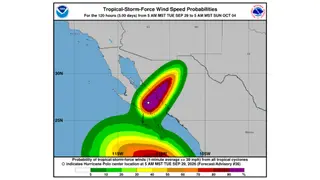
Hurricane Polo, a powerful Category 3 storm with sustained winds near 115 mph, approached Baja California Sur and northwestern Mexico on September 28, 2026, threatening crops including asparagus, cucumbers, green onions, squash, and tomatoes. The hurricane was forecast to cross the Baja California peninsula and make a second landfall in southern Sonora before weakening inland, with a secondary storm system potentially developing behind it.
Hurricane Polo made landfall in Mexico as a powerful Category 3 system with winds exceeding 110 mph, threatening to cross the Baja California peninsula and strike Sonora a second time before dissipating. The storm brought significant precipitation risks, with rainfall projections ranging from 4 to 12 inches depending on location, creating potential for widespread flooding and mudslides across the affected regions.
The hurricane's passage threatened multiple infrastructure systems and agricultural operations throughout western Mexico. Port operations faced closure, road access became restricted, and power outages disrupted normal activities. Growers in major vegetable-producing areas braced for harvest interruptions and field access challenges that could persist for several days following the storm's passage.
Hurricane Polo's impact could reverberate through U.S. produce supplies and consumer prices, as the affected Mexican regions supply substantial quantities of fresh vegetables to North American markets year-round. Supply chain disruptions from port closures, transportation delays, and crop damage may affect availability and pricing of asparagus, tomatoes, cucumbers, and other produce through the following weeks. Agricultural workers and rural communities face immediate risks from destructive winds, flooding, and landslides, while broader economic effects could extend across agricultural suppliers, distributors, and retailers dependent on these growing regions.