New Zealand business sentiment weakens in late September as oil price spike dampens activity outlook
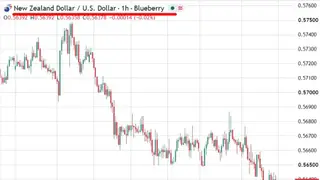
New Zealand business confidence declined to +52 in September from +54 the previous month, while inflation expectations remained stable at 3.25%, according to ANZ's Business Outlook survey. Activity indicators fell sharply in responses collected after oil prices rose late in the month, with own activity outlook dropping to +36 from +52 in early survey responses. Wage expectations edged upward and spare capacity appears to be tightening faster than expected by the central bank, potentially complicating monetary policy decisions.
The September survey reveals a notable divergence in business sentiment depending on timing. Responses collected early in the month reflected steadier confidence levels, but those submitted after mid-month showed considerably weaker assessments of future activity prospects. This pattern directly correlates with volatile global energy markets, as crude oil prices fluctuated significantly throughout September, peaking near $128 per barrel before retreating. The divergence is particularly evident in activity outlook measures, which shifted dramatically between early and late respondents, suggesting business leaders rapidly adjust their forecasts in response to external commodity shocks.
Manufacturing emerged as the resilient sector with notably stronger confidence and employment intentions, while retail and services showed more cautious positioning. Wage growth expectations inched upward to 2.8% annually, and capacity constraints appear to be tightening faster than the central bank anticipated, creating potential complications for future interest rate decisions.
The survey findings could influence New Zealand's monetary policy trajectory and currency markets, as the Reserve Bank weighs mixed signals about inflationary pressures. While inflation expectations remained anchored at 3.25%, tightening capacity and rising wage expectations may argue for continued policy restraint, yet weakening activity sentiment from energy price shocks could temper urgency for further rate increases. Businesses across sectors may face margin pressures from higher input costs, potentially affecting employment and investment decisions if external price volatility persists.