Health Secretary and Administration Officials Attend Make America Healthy Again Summit Focused on Wellness and Anti-Vaccine Advocacy
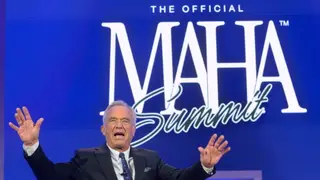
Health Secretary Robert F. Kennedy Jr. and other Trump administration officials, including FDA acting commissioner Kyle Diamantas, spent several hours at the Make America Healthy Again summit where they mingled with health industry leaders and wellness activists concerned about vaccines and processed foods. The event, held at Washington D.C.'s Waldorf Astoria, featured medical entrepreneur Bryan Johnson conducting biological age tests and denied media credentials to major news organizations. The summit represents the administration's alignment with alternative health movements and direct engagement with industry figures promoting views skeptical of conventional public health practices.
The summit featured several notable figures aligned with alternative health perspectives. Bryan Johnson, a biohacker focused on life extension, conducted interactive biological age assessments with attendees. Administrator Mehmet Oz appeared on programming sponsored by podcast personality Russell Brand, who faces pending legal proceedings in the United Kingdom. The two-day gathering in Washington's Waldorf Astoria included discussions spanning longevity science, disease prevention, and healthcare affordability alongside more contentious topics within the movement regarding industry partnerships.
Internal disagreements surfaced regarding the event's composition. Some attendees objected to the inclusion of insurance executives and major retailers on panels, viewing such participation as contradictory to MAHA's stated focus on systemic health reform rather than corporate interests. These tensions reflect broader questions about how alternative health movements balance engagement with established industry players against their foundational critiques of existing healthcare and food systems.
The convergence of federal health officials with alternative wellness advocates could influence public health messaging and regulatory priorities. Stakeholders including conventional medical professionals, vaccine confidence organizations, pharmaceutical companies, and consumer health advocates may assess whether this administrative alignment signals shifts in FDA oversight, pharmaceutical approval processes, or nutritional guidance. The selective credentialing decisions and industry partnerships at such events could affect public trust in both government health institutions and the alternative wellness movement itself.