Corporate Influence Raises Questions About Health Movement's Direction
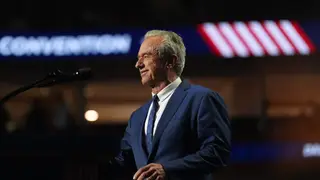
The second Make America Healthy Again summit featured prominent corporate sponsors and executives from insurance companies, pharmaceutical firms, and retailers, sparking concerns among grassroots supporters about the movement's alignment with big business. Topics discussed included healthcare affordability, food policy, and artificial intelligence applications in medicine, though mainstream media outlets were largely denied press access. Tensions have emerged between MAHA's activist base and the Trump administration's corporate partnerships, with some questioning whether the movement is compromising its stated mission.
The second MAHA summit brought together administration officials with representatives from major corporations across healthcare, insurance, and retail sectors. This gathering included nine publicly traded companies, with some reportedly offering paid access to government officials. The event addressed multiple policy areas including food supply standards, pharmaceutical innovation, and healthcare technology integration.
A notable tension has emerged between MAHA's grassroots activist supporters and the administration's corporate partnerships. Prominent movement figures have voiced concern that the initiative—originally positioned to challenge industry-government relationships—now appears to be forming its own such relationships, potentially undermining core movement objectives around food safety and pharmaceutical policy.
This development could affect how healthcare policy evolves in the coming years. Grassroots health advocates may feel less represented if corporate interests shape MAHA's direction, potentially fragmenting the coalition that supported the movement. Meanwhile, corporate participants may gain influence over regulatory decisions affecting their industries. The outcome could determine whether the movement maintains its reform-oriented identity or becomes absorbed into establishment healthcare structures.