SpaceX's Starship Reaches Orbit in Historic Flight 14 Test
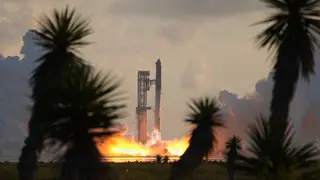
SpaceX successfully conducted the first orbital flight of its Starship V3 rocket on September 28, 2026, lasting over three hours from Starbase, Texas. The mission achieved key objectives including deploying Starlink V3 satellites into orbit and executing controlled landing burns for both the Ship and Super Heavy booster stages. The 407-foot-tall vehicle generated over 18 million pounds of thrust from its 33 Raptor engines and represents a major milestone toward NASA's Artemis lunar missions.
Flight 14 represented a significant progression for SpaceX's development program, being the longest test yet for the V3 configuration. The mission successfully demonstrated critical capabilities including payload deployment and controlled atmospheric reentry for both the primary stage and booster component, with both vehicles executing landing procedures that concluded in ocean splashdowns. The vehicle's 33 engines generated sufficient thrust to validate the architecture's ability to transport substantial cargo loads.
The Starship program's advancement carries implications for NASA's lunar exploration initiative, as a specialized variant of the vehicle is designated to support infrastructure delivery for the Artemis missions. SpaceX's timeline projections regarding expanded launch facility operations and increased launch cadence suggest the company anticipates significant growth in the vehicle's operational tempo over the coming years.
This milestone could accelerate development timelines for deep space missions and lunar surface operations, potentially affecting NASA's Artemis schedule and the broader commercial space industry. Successful demonstration of orbital capability and controlled reentry may influence investment patterns and regulatory approaches to heavy-lift launch systems. The vehicle's design could reshape accessibility to space-based infrastructure deployment, affecting communications, research, and exploration sectors dependent on reliable large-payload launch capacity.