Brazilian geological formation acts as massive water reservoir feeding geothermal features
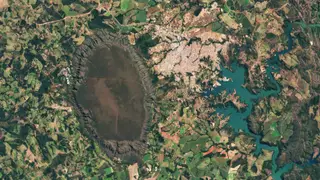
The Caldas Novas dome in Brazil, a 12-mile-long monolithic structure that reaches up to 1,000 feet above the surrounding landscape, functions as a giant sponge that absorbs rainwater to supply nearby hot springs. The ancient formation, likely at least 600 million years old, is covered by the Cerrado savanna biome which enhances its water absorption capacity. The geological structure has made the region famous as a geothermal tourism destination attracting hundreds of thousands of visitors annually.
The Caldas Novas dome represents a remarkable example of how geological structures interact with local ecosystems to sustain natural features. Located in Goiás state, this ancient monolith has persisted for at least 600 million years, maintaining its distinctive oval shape while rising significantly above the surrounding terrain. The region's distinctive savanna vegetation plays a crucial hydrological role, functioning as a natural filtration system that captures precipitation and channels it underground.
The groundwater circulation system created by this geological-biological partnership demonstrates how water moves through rock layers to maintain geothermal activity. The consistent supply of recharged water enables the hot springs to remain active even during dry seasons, showcasing a sustainable natural cycle. This mechanism also contributes to feeding waterfalls and rivers across a broader area, highlighting the dome's regional hydrological importance beyond its immediate vicinity.
The discovery of this geological system's mechanics may influence how scientists understand groundwater management in tropical regions and geothermal resource sustainability. Local communities and tourism operators could benefit from enhanced knowledge about protecting the water sources that support the region's economy. Understanding such natural reservoirs might also inform broader discussions about water security in areas facing climate variability, though the dome's capacity to adapt to changing precipitation patterns remains uncertain.