Lunar ice may support small settlements, not huge cities
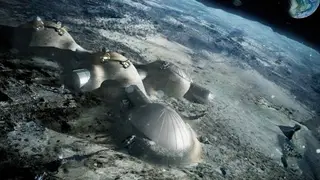
A new study examined whether water ice at the moon's poles could sustain future human settlements. Researchers found that lunar towns or small cities might last over 1,000 years, while a city of a million people would likely run out within a century. The peer-reviewed work appeared in Frontiers in Space Technologies in September 2026.
Researchers Martin Elvis and Jonathan McDowell calculated how long polar ice could support lunar populations. Their peer-reviewed findings appeared in Frontiers in Space Technologies in September 2026. The ice lies in permanently shadowed polar craters, where it has remained frozen for billions of years and escapes extremely slowly. Estimates suggest perhaps a billion tons, though uncertain.
The study also considered energy. Crater rims receive sunlight, so kilometer-high solar towers could potentially produce about three gigawatts. With that context, the authors concluded that modest lunar settlements might endure for more than a millennium, while a million-person city would likely exhaust available water within about a century.
This finding could shape how space agencies and private planners think about lunar settlement size. It may encourage designs for smaller, water-efficient communities rather than million-person cities. Researchers, engineers, and investors might use the estimates to set realistic timelines and recycling targets. Future lunar residents could face strict water rationing if larger populations are attempted. The study may also inform public expectations about how soon and how large off-Earth cities can become.