High-speed rail success story runs into financial reality with bankruptcy filing
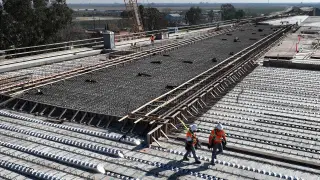
Brightline, the privately operated rail service operating between Miami and Orlando, filed for Chapter 11 bankruptcy despite strong ridership growth and demonstrated public demand for rail transportation. The company accumulated $4.4 billion in debt building and operating the service and will seek an additional $490 million to continue operations and expand service. The bankruptcy reveals the limits of private capital for funding major transportation infrastructure, particularly for services in regions with historically limited transit options.
Brightline operates a functioning rail service between Miami and Orlando that has demonstrated genuine market demand, with ridership climbing 14 percent and revenue up 17 percent year-over-year through mid-2026. The company serves approximately 3.5 million passengers annually and generates roughly $240 million in revenue. However, these figures fall significantly short of projections made just two years prior—the company anticipated double the ridership and three times the revenue. This gap between expectations and reality, combined with the substantial debt burden from infrastructure construction and operations, forced the company to seek restructuring and additional capital.
The bankruptcy filing does not halt train operations, and Brightline continues expansion plans toward Tampa and additional stations. Brightline West is simultaneously developing a separate high-speed corridor from Las Vegas to Los Angeles, suggesting confidence in the broader business model despite current financial challenges.
Brightline's Chapter 11 filing may signal that private financing alone cannot sustain major transportation infrastructure without substantial public investment or different revenue models. The case could influence future decisions about funding rail expansion in underserved regions, potentially shifting expectations toward public-private partnerships or greater government involvement. For riders and communities served, ongoing operations mean continued transportation options, though the financial strain may constrain growth and expansion timelines. The outcome may reshape how policymakers and investors approach high-speed rail development nationwide.