Bitcoin Rebounds to $84,450 as ETF Inflows Extend to Eighth Consecutive Day
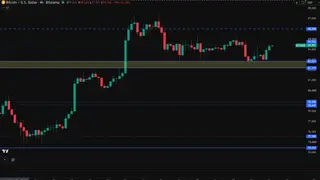
Bitcoin recovered from an intraday low of $82,560 to close near $84,450 on September 28, demonstrating support holding above key technical levels despite volatility in Treasury yields which climbed to 5.27%. Spot Bitcoin ETFs extended their winning streak to eight consecutive trading days with $31.1 million in net inflows on Monday, bringing September's total to $2.7 billion, with BlackRock's iShares Bitcoin Trust leading inflows at $54.8 million. The price action reflected investor resilience amid macroeconomic pressures including oil price advances and stalled Iran ceasefire negotiations.
Bitcoin's recovery to $84,450 on Monday reflected investor confidence despite concurrent headwinds in fixed-income markets. Rising Treasury yields—climbing toward 5.27%—typically pressure growth assets as bonds become more attractive. However, buyers defended support around $82,560, suggesting institutional conviction remains intact even as macroeconomic uncertainty persists through geopolitical tensions affecting energy markets.
The eighth consecutive day of spot ETF inflows underscores sustained institutional participation, though the $31.1 million Monday addition represented a substantial decline from weekend volumes exceeding $700 million daily. BlackRock's iShares fund led accumulation while Grayscale experienced notable redemptions, indicating possible portfolio reallocation among large investors rather than uniform bullish positioning across all digital asset vehicles.
Bitcoin's price resilience amid rising Treasury yields could signal shifting institutional perspectives on cryptocurrency as an inflation hedge or portfolio diversifier. Sustained ETF inflows may influence mainstream financial advisor adoption and retail investor participation. However, regulatory scrutiny of stablecoin payment networks—particularly regarding sanctions compliance—could reshape how digital assets function in settlement systems. Policymakers and financial institutions may face increased compliance costs, potentially affecting transaction efficiency and user accessibility across cryptocurrency platforms.