International coalition commits to securing release of Ukrainian children taken by Russia
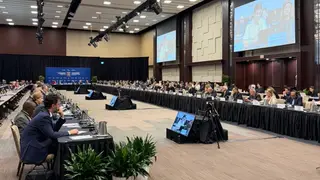
Fifty countries and four international organizations signed the Toronto Pledge on September 29, demanding the return of Ukrainian prisoners of war, illegally detained civilians, and children forcibly removed by Russian forces. The pledge specifically condemns Russia's forced militarization of Ukrainian children in occupied territories, describing it as a systematic issue requiring coordinated international response. Signatories emphasized that recovery efforts must be sustained beyond repatriation, utilizing emerging technologies and third-country mediation to close gaps in current return operations.
The Toronto Pledge represents a significant diplomatic mobilization, bringing together diverse nations from multiple continents—including European countries, Japan, and Canada—along with major international bodies to address what officials characterize as Russia's systematic practices against Ukrainian civilians and military personnel. The agreement specifically highlights concerns about children in Russian-occupied Ukrainian territories being conscripted into military service, viewing this as part of a broader pattern rather than isolated incidents.
Recovery efforts, according to signatories, will require modernized approaches beyond traditional repatriation methods. Officials indicated that artificial intelligence and cooperation with neutral intermediary nations could help identify and locate missing individuals where conventional mechanisms have proven insufficient. Post-return support structures are deemed equally critical, as rehabilitation and reintegration services may determine long-term outcomes for affected populations.
This coordinated international pledge could strengthen diplomatic pressure on Russia while establishing frameworks for identifying and recovering missing persons. The emphasis on post-repatriation support may influence how nations allocate resources for psychological and social rehabilitation. For affected Ukrainian families, the agreement may provide some procedural momentum, though enforcement mechanisms and Russia's compliance remain uncertain variables. The initiative could also set precedents for how the international community addresses forced displacement and militarization of civilians in armed conflicts.