Lithuania Proposes Ban on Russian and Belarusian Artists Connected to Occupied Territories
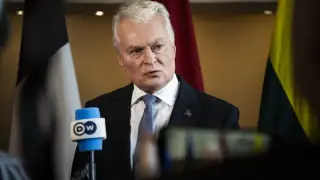
Lithuania's government approved a measure on September 30 that would bar Russian and Belarusian cultural figures from performing in the country if they previously worked in occupied or annexed Ukrainian territories or supported Russia's war effort. Artists who wish to perform would need to sign a public declaration condemning Russian aggression, a requirement that could expose them to legal jeopardy in their home countries. The proposed amendment is scheduled to take effect January 1, 2027, pending parliamentary approval.
Lithuania's proposed ban represents an escalation of cultural restrictions tied to the Ukraine conflict. The government initially addressed such cases through individual assessments, but the formalized measure would create systematic criteria for exclusion. The requirement for public declarations condemning Russian aggression creates a practical dilemma for artists: compliance could expose them to legal consequences in Russia or Belarus, while refusal blocks their access to Lithuanian venues. The property ownership restrictions approved simultaneously reflect a broader Baltic approach, with Finland and Latvia having already implemented similar measures and Estonia developing comparable legislation.
The policy could significantly affect the international mobility of Russian and Belarusian cultural workers, potentially fragmenting European performance circuits. Anti-war artists from these countries may face heightened pressure if public declarations expose them to prosecution at home, effectively creating dual penalties. The measure may influence broader European policy discussions around cultural sanctions and artist protections during conflict, while potentially complicating efforts to distinguish between artists complicit in state aggression and those facing coercion or persecution.