Fundamental Structural Tensions Persist Beyond Summit Ceremonial Diplomacy
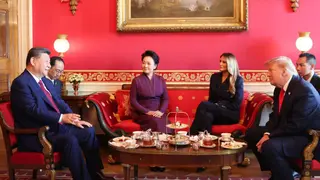
Despite the diplomatic gestures surrounding a Trump-Xi summit, underlying competitive and strategic differences between the United States and China remain substantive and unresolved. The analysis suggests that ceremonial appearances mask deeper structural conflicts between the two powers. The piece examines the gap between diplomatic presentation and actual geopolitical realities.
High-level summits between major powers often project unity and cooperation through formal ceremonies and public statements. However, analysts suggest that such diplomatic events frequently obscure persistent disagreements on fundamental issues. In this case, tensions between Washington and Beijing extend across multiple domains—economic, military, and technological—creating structural challenges that ceremonial exchanges cannot resolve. These underlying frictions reflect competing interests that have developed over years of strategic rivalry.
How the U.S. and China manage their relationship could significantly affect global stability, trade patterns, and international alliances. Stakeholders ranging from businesses operating across both economies to allied nations dependent on regional security arrangements may be sensitive to whether diplomatic progress translates into substantive policy changes. If structural tensions remain unaddressed beneath summit statements, the gap between rhetoric and reality could shape investor confidence, supply chain decisions, and broader geopolitical alignment choices for countries worldwide.