Egypt Navigates Complex Regional Conflicts Through Strategic Maneuvering
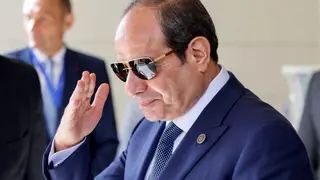
As the region's largest Arab nation and most populous country, Egypt has been drawn into difficult diplomatic positions amid ongoing conflicts involving Gaza, Israel, Lebanon, and Iran, despite its geographic distance from most battlegrounds. Regional power dynamics have shifted eastward toward the Gulf states, leaving Egypt with less influence than its historical role would suggest. President al-Sisi must balance competing demands from multiple stakeholders while managing Egypt's position in an increasingly complex Middle Eastern landscape.
Egypt faces a paradoxical position in the current Middle Eastern upheaval. Despite possessing the Arab world's largest military and population, Cairo has been sidelined from major regional developments occurring in distant theaters. The gravitational center of Arab influence has shifted toward wealthy Gulf nations, diminishing Egypt's traditional diplomatic weight. President al-Sisi confronts pressure from multiple directions: domestic public sympathy for Palestinians, strategic partnerships with Israel and the United States, and the need to maintain Egypt's security interests amid broader conflicts.
The challenge intensifies because Egypt's immediate neighbor, the Gaza Strip, directly implicates the country in regional hostilities. Cairo must simultaneously address humanitarian concerns, manage border security, and navigate relationships with powerful external actors. This combination of geographic proximity to conflict zones and reduced regional influence creates a constrained diplomatic environment where every statement and action carries heightened significance.
Egypt's diplomatic positioning could significantly affect civilian populations in Gaza through border management and humanitarian access, while influencing broader regional stability efforts. The country's ability to mediate between conflicting parties may impact prospects for ceasefire negotiations or escalation prevention. Additionally, how Egypt balances domestic public opinion against international partnerships may influence internal political dynamics. International observers assess whether Egypt's strategic choices strengthen or weaken collective Arab responses to regional crises, potentially affecting the broader trajectory of Middle Eastern geopolitics and security architecture.