Trump Administration Opts for Voluntary AI Safety Standards Over Formal Regulation
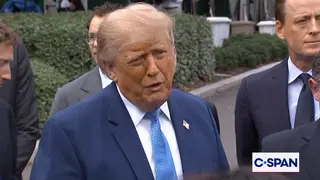
President Trump convened technology leaders to address artificial intelligence regulation but ultimately chose to pursue voluntary safety agreements rather than imposing formal regulatory restrictions. The tech companies agreed to adopt safety policies including risk reviews and third-party audits under what Trump termed "super intelligence." Trump emphasized that the companies would police themselves to ensure safe development of the technology.
The Trump administration brought together major technology leaders to discuss how artificial intelligence should be governed at the federal level. Rather than implementing binding legal requirements, the participants agreed to a self-regulatory framework where companies would conduct internal risk assessments and submit to independent audits of their AI systems.
The administration's approach represents a preference for industry self-governance over government-mandated compliance standards. Under this voluntary arrangement, the participating technology companies take responsibility for monitoring their own development practices and those of their peers, with Trump suggesting that competitive pressure and mutual oversight would maintain safety standards.
This decision may affect how rapidly AI safety protections develop across the industry, as compliance would depend on company commitment rather than legal enforcement mechanisms. The approach could benefit technology firms through reduced compliance costs and regulatory flexibility, while critics may question whether self-policing adequately addresses potential risks. The outcome could influence whether other federal agencies pursue their own AI oversight frameworks or whether Congress considers legislative action on the issue.