German Heat Deaths Expose Gap Between Climate Forecasting and Emergency Preparedness
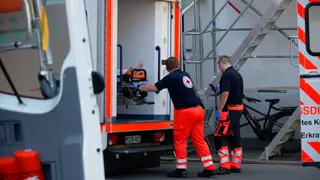
Germany recorded an estimated 16,000 heat-related deaths during summer 2026, the highest number ever documented in the country, as consecutive heat waves from May through August overwhelmed healthcare and emergency systems. Despite having advanced weather forecasting capabilities that accurately predicted the dangerous temperatures, experts identified critical failures in adaptation infrastructure and emergency response coordination across government and health institutions. The incident highlights a global vulnerability, with climate scientists warning that other regions could face similar mass casualties from extreme heat without strengthening heat-resilience infrastructure and emergency protocols.
Germany's summer mortality crisis stemmed not from forecasting failures but from systemic unpreparedness across multiple sectors. Infrastructure designed for historical climate patterns—building ventilation, cooling capacity, water systems—proved inadequate for sustained extreme temperatures. Government agencies failed to coordinate messaging and response protocols, while hospitals lacked established procedures for heat emergency management, leaving vulnerable populations without coordinated protection despite accurate advance warnings.
The 2026 German experience reflects a pattern emerging globally. Similar dynamics played out during the 2021 Pacific Northwest heat dome, where advanced warnings preceded inadequate institutional response. Experts emphasize that effective heat resilience requires years of planning, including scenario-based stress testing and pre-established cross-agency coordination mechanisms. Warning systems alone cannot prevent casualties without supporting infrastructure and practiced emergency protocols already in place.
The divergence between forecasting capability and emergency readiness could reshape how nations approach climate adaptation. Healthcare systems, urban planners, and emergency managers may face increased pressure to conduct heat vulnerability assessments and develop regional response frameworks before crises occur. Communities in developed nations may discover they require substantial infrastructure retrofitting and institutional restructuring, while less-resourced regions could face even greater mortality risks without immediate intervention and resource allocation.