Justice Alito Recuses from Major Oil Industry Climate Liability Case
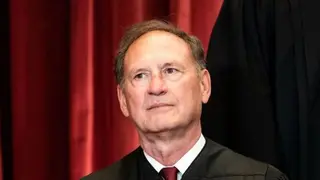
Justice Samuel Alito announced his recusal from Suncor Energy Inc. v. County Commissioners of Boulder County, a significant case involving state-level climate liability claims against oil and gas companies scheduled for oral argument in October. The last-minute recusal came after activist groups had urged an investigation into potential conflicts of interest stemming from Alito's financial holdings in oil and gas companies. The decision reverses Alito's earlier position when he stated recusal was not required under the Court's ethics guidelines.
Justice Alito's decision to step aside from the Suncor case represents a reversal of his earlier position. When activist organizations called for an investigation into potential conflicts stemming from his oil and gas investments, a Supreme Court spokesperson defended his participation, stating that legal counsel had determined recusal was unnecessary under the Court's ethics standards. The abruptness of Monday's announcement—coming just one week before oral arguments—mirrors a similar last-minute recusal from another energy sector case in January, when Alito withdrew after discovering that a company in which he held financial interests remained involved in district court proceedings.
The Supreme Court's 2023 code of conduct requires justices to recuse when an impartial observer might reasonably question their fairness, particularly when financial interests are involved. However, justices are not obligated to publicly explain their recusal decisions. The lack of explanation in Alito's case contrasts with the detailed reasoning provided in the earlier oil company dispute, making the timing and circumstances subject to scrutiny.
Alito's recusal may affect public perception of the judiciary's independence on high-stakes environmental litigation. The Suncor case could establish precedent affecting climate liability suits nationwide, so the composition of the deciding panel carries significant implications. The late withdrawal might reduce confidence among those concerned about financial conflicts influencing judicial decision-making, while potentially strengthening the ruling's legitimacy among critics who questioned his impartiality. The decision's impact on the case's outcome remains uncertain without knowing how a replacement justice would approach the dispute.