United States Concludes 12-Year Military Operation in Iraq
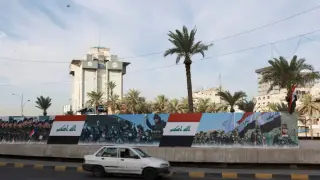
The US military completed its withdrawal of all American troops from Iraq, ending a long-term mission against the ISIS group that involved fighting the extremist organization across the region. The withdrawal follows a 2024 agreement between Washington and Baghdad to wind down the military mission after reducing ISIS to scattered sleeper cells. Iraqi leaders characterized the departure as marking the beginning of a new phase emphasizing national sovereignty and Iraqi-led security efforts, though questions remain about the government's ability to disarm militias and maintain stability.
The US military presence in Iraq has undergone significant transformation over two decades. Following the 2003 invasion that removed Saddam Hussein's government, American forces departed in 2011 but returned in 2014 at Iraq's request to counter the rapid territorial expansion of ISIS. The organization had seized substantial portions of Iraqi territory, prompting the formation of a US-led coalition to degrade its military capabilities.
The withdrawal occurs within a volatile regional security environment. Since late February, escalating tensions between the US and Iran have extended into Iraqi territory, with Iran-backed militias launching attacks on American personnel and installations. These same groups have opposed Baghdad's disarmament efforts, with the government now extending its militia-control deadline to 2027—a significant retreat from its original September deadline.
The withdrawal could affect Iraq's stability and security trajectory differently across its regions. Kurdish areas may face heightened vulnerability to drone and missile attacks without US air defense systems, potentially destabilizing this semi-autonomous zone. Conversely, Iran-backed groups may gain greater operational freedom. Iraq's central government faces the substantial challenge of consolidating security control and disarming powerful militias—an objective that has proven elusive. The long-term balance between Iraqi sovereignty and regional security threats remains uncertain.