Moscow Issues Nuclear Warning Over Kaliningrad Isolation Threats
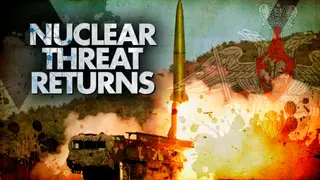
Russia has delivered a diplomatic warning to NATO stating it would resort to nuclear weapons if the alliance attempts to isolate the Kaliningrad exclave from the rest of Russian territory. The warning comes amid ongoing tensions over Lithuanian transit restrictions and recent NATO military activities near the region. Moscow also threatened potential strikes against NATO decision-making centers if armed conflict erupts.
Russia's nuclear threat centers on Kaliningrad, a strategically vital Baltic enclave that sits geographically isolated between Poland and Lithuania. This geographic vulnerability has created persistent friction, particularly since 2022 when Lithuania restricted transit of EU-sanctioned goods through its territory to the Russian exclave. The territorial isolation concern has intensified alongside increased NATO military presence in the region, including exercises, surveillance flights, and naval operations that Moscow views as threatening.
NATO's defensive posture contrasts sharply with Moscow's interpretation of allied activities. Lithuanian officials have publicly discussed NATO's theoretical capability to neutralize Russian defenses in Kaliningrad, statements that prompted strong Russian condemnation and presidential warnings. The recurring cycle of threats, military movements, and diplomatic protests demonstrates how the exclave's geographic position continues generating escalatory dynamics between Russia and the alliance.
The escalation carries potential consequences for regional stability and broader geopolitical relations. NATO members bordering Russia—particularly Poland and Lithuania—could face intensified pressure or military posturing. Commercial transit routes through the Baltic region may face disruption if tensions translate into concrete actions. International observers may become increasingly concerned about miscalculation risks, as nuclear rhetoric combined with active military operations creates unpredictable dynamics that could affect diplomatic resolution efforts and security calculations across Europe.