Washington targets Russian firms assisting Iranian weapons acquisition
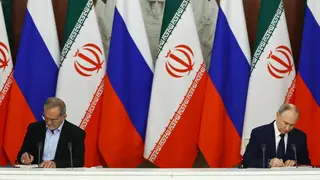
The United States sanctioned 13 individuals and entities across Russia, Hong Kong, China, and Pakistan on September 29 as part of efforts to economically pressure Iran during an ongoing conflict. The measures include penalties against two Russian companies: MG-Flot LLC, which transports weapons for Russia's Defense Ministry, and aircraft manufacturer JSC Experimental Design Bureau Named After A.S. Yakovlev. Moscow and Tehran have deepened military cooperation since Russia's invasion of Ukraine, with Iran supplying drones and Russia providing weapons components in return.
The U.S. sanctions represent the latest escalation in "Operation Economic Outcast," targeting the supply networks sustaining Iran's military capabilities. The two Russian companies hit—a shipping firm and aircraft design bureau—play direct roles in moving weapons and manufacturing components that facilitate Iranian operations. This action underscores Washington's strategy of disrupting the logistics behind Russia-Iran military cooperation.
The Russia-Iran partnership has intensified dramatically since 2022, evolving from Iran supplying weaponized drones for use in Ukraine to Russia reciprocating with advanced military technology and ammunition. Putin's public commitment in September to continue arming Tehran signals deepening alignment between the two nations, creating overlapping conflicts involving Ukraine, the U.S., and regional shipping routes.
These sanctions could pressure Russian companies and their partners to recalculate involvement in Iran weapons transfers, though enforcement challenges exist given the decentralized nature of illicit supply chains. The measures may have modest direct economic impact but could signal tighter scrutiny of dual-use technology exports. Regional actors, particularly those dependent on Strait of Hormuz shipping, face ongoing risks from escalating Iran-U.S. tensions and potential disruptions to energy markets.