Hurricane Polo Moisture to Bring Heavy Rain Across Farm Belt, Complicating Fall Operations
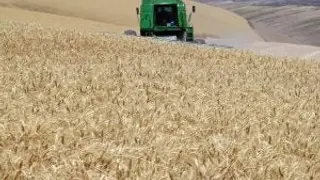
The USDA warned that tropical moisture from Hurricane Polo colliding with a continental cold front could deliver 2 to 6 inches of rain across major U.S. agricultural regions, including the Corn Belt and Plains states. The rainfall will slow ongoing corn and soybean harvest while potentially providing beneficial soil moisture for winter wheat planting in drought-affected areas. Producers face a narrow operational window before the storm's arrival to complete field work in areas still too wet for machinery.
Hurricane Polo's interaction with a cold front system presents a complex agricultural challenge across America's heartland. The anticipated rainfall totals between 2 and 6 inches will arrive during a critical harvest window when farmers in the Corn Belt and Plains states are racing against time to complete field operations. Many western fields remain waterlogged from previous moisture, limiting machinery access just as additional precipitation approaches.
The timing creates divergent opportunities and obstacles. While southern Plains farmers facing prolonged drought may welcome soil moisture for winter wheat establishment, the same rainfall threatens to delay corn and soybean harvest in regions where fields are already saturated. Forecasters identified the western Corn Belt as particularly vulnerable, with only a brief Tuesday window before conditions deteriorate across the region.
The convergence of harvest delays and drought relief illustrates how extreme weather impacts agricultural producers across multiple dimensions. Farmers with adequate field conditions may benefit from moisture restoration, while those struggling with wet soil face extended operational delays and potential crop losses. Livestock producers managing stressed pastures and depleted water supplies could see short-term relief, though timing and intensity of rainfall will determine whether conditions improve sufficiently to ease broader regional strain on food production systems.