Flooding Triggers Massive Baggage Backlog at Thailand's Main Airport
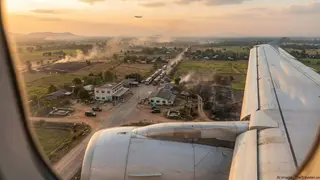
Severe flooding in Bangkok during late September left approximately 5,000 pieces of luggage backed up at Suvarnabhumi Airport, primarily affecting Thai Airways passengers. Flooded roads prevented ground-handling staff from reaching the terminal, significantly reducing the workforce available to process bags on long-haul routes to Europe and Asia. The airline committed to clearing the backlog within 72 hours using additional personnel from military and airport support teams.
The flooding crisis that struck Bangkok in late September created a domino effect of disruptions throughout the airport's ground operations. The real bottleneck wasn't at the runway or terminal itself—both remained fully functional—but rather in the ability of baggage handlers to physically reach their workstations. With major roads in eastern Bangkok submerged, staffing levels plummeted, leaving thousands of suitcases from international and regional flights unable to be processed at normal speed.
Thai Airways mobilized significant additional resources to tackle the crisis, drawing on military personnel and airport authority support to accelerate the sorting and delivery process. The airline deployed a multi-channel recovery approach, using courier networks and postal services to reunite bags with passengers spread across Thailand and abroad. However, this distributed delivery phase could extend well beyond the initial 72-hour window, meaning some travelers faced weeks of uncertainty about belongings.
The baggage backlog illustrates how airport operations depend heavily on ground-level infrastructure beyond the terminal itself. Flooding that blocks employee access, even without directly damaging facilities, can severely strain air travel logistics and leave passengers stranded without essential items during their trips. Such disruptions may particularly affect business travelers and those on tight schedules, while also testing airlines' crisis management and customer communication capabilities during natural disasters.