Pentagon alters absentee voting forms to eliminate overseas citizens born abroad from ballot access
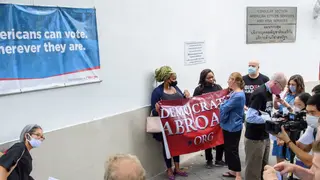
The Trump administration's Pentagon removed a checkbox category for U.S. citizens born abroad who have never lived in the United States from absentee voting forms used by overseas voters ahead of the midterm elections. The change came through emergency form modifications in late August and coincides with Republican legal efforts since 2024 to block these citizens from voting, with GOP officials arguing such voters are disproportionately non-Republican. Some states and Washington, D.C. currently allow never-resided citizens to vote if they have relatives with prior connections to those jurisdictions.
The Pentagon's modification affects a voting pathway that has existed for over a decade. The checkbox for never-resided citizens was added to federal absentee forms in 2013 following input from state election officials and overseas voting advocates. The category applies to U.S. citizens born outside the country who maintain eligibility to vote through family connections to specific states, such as a parent or military-connected relative who previously resided there.
Republican legal challenges to never-resided voting eligibility have produced mixed results across jurisdictions. While efforts succeeded in North Carolina, similar lawsuits faced rejection in Michigan and continue in Arizona and multiple other states, reflecting ongoing disputes over whether these voters should retain ballot access.
The form changes could create practical obstacles for eligible overseas voters attempting to participate in federal elections, potentially affecting participation rates among this population. The timing of emergency modifications weeks before ballot deadlines may confuse voters unfamiliar with alternative registration pathways. The broader legal and administrative dispute over never-resided voter eligibility remains unresolved, leaving voting access dependent on individual state policies and creating potential inconsistencies in how different jurisdictions treat similar voter populations.